How Hearing Aids Enrich Your Birding Adventures

There are a lot of birds to find around Katy, and as many as 11,131 species to find around the globe. If you’re an avid birder, that means 11,131 species you could see and hear with your own eyes and ears. For those with hearing loss, part of the birding experience depends on the help…
Helpful Communication Techniques for Loud Workplaces

Everybody’s workplace is different. Some people are constantly surrounded by construction noise or a flurry of coworkers making sales calls, while others work from the quiet comfort of their office or home. If you fall into that former group, you might have noticed that communicating in a busy environment can be tricky—especially if you or…
How Can TV Help You Acclimate to Your Hearing Aids?

Hearing aids could benefit an estimated 28.8 million U.S. adults. Getting new hearing aids is an exciting experience. They collect and amplify sounds to help you understand speech and stay aware of your environment. In the first few weeks of wearing your devices, you might find that they sound a little off. One fun way…
How Do Ear Injuries Affect Hearing?
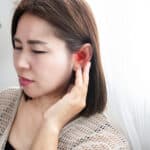
Cleaning your ears with cotton swabs, not ducking in time when a frisbee comes your way in Exploration Park or getting in a car accident are just a few of the ways you can physically damage your ears. While keeping cotton swabs out of your ears and driving safely can reduce your risk of injury,…
Are Rechargeable or Disposable Battery Hearing Aids Right for Me?

After getting a hearing loss diagnosis, you’ll need to pick out a set of hearing aids that match your needs. One factor to consider is whether to get devices with rechargeable or disposable batteries. Let’s look at a few things to consider to help you make your decision. Battery Life When you buy a new…
Common Questions People Ask About Hearing Aids

If you just got your first hearing test and your specialist recommended treatment for hearing loss, you might have a lot of questions. Let’s look at a few common questions about hearing aids to help clarify the path ahead. 1. Will Hearing Aids Cure Hearing Loss? This is a common question. While hearing aids help…
How To Choose Everyday Hearing Aids That Fit Your Routine

When you head to Fleet Feet Katie for a new pair of running shoes, you’ll probably spend a little bit of time in the store looking at your different options. You might consider all-terrain, road running, or another type of shoes to ensure your purchase fits your needs. Buying a new pair of hearing aids…
What To Expect From Hearing Loss Testing and Treatment

Realizing that your hearing isn’t what it used to be can feel overwhelming. Hearing loss is incredibly common, affecting an estimated 13% of people aged 12 and older in the United States, but that doesn’t make the experience any less personal. The good news is that modern hearing loss treatment is a clear, supportive process…
Don’t Let Hearing Aid Myths Hold You Back

We’ve all heard those common sayings that turn out not to be true. Like “We eat eight spiders a year” or “Hearing aids make you look old.” That first myth, while unnerving to hear, is easy to shake off when you learn it isn’t true. The idea that hearing aids make you look old, however,…
The Link Between Hearing Loss and Balance

Most people are aware that hearing loss can disrupt clear communication and impair background awareness, but fewer understand its impact on balance. How Does Hearing Relate To Balance? Your hearing and balance organs live in the inner ear: How Can Hearing Damage Affect Balance? Because the hearing and balance organs sit so close together, damage…