Hearing loss affects an estimated 15% of U.S. adults.[1] Although hearing loss is common, many people don’t realize that they’re living with it until it starts to severely impact their lives. ASHA’s National Speech-Language-Hearing Month, celebrated every May, is one excellent opportunity to learn a little more about the condition to help you identify and treat it early on.
Identifying the Signs of Hearing Loss
Keep an eye out for the following signs of hearing loss:
- Turning up the volume on the TV or radio
- Difficulty understanding speech in noisy environments
- Trouble hearing high-pitched noises like children’s voices and birds in Katy City Park
- Skipping social events
- Excessive fatigue or irritability, particularly after heavy-communication days
- Asking others to repeat themselves frequently
Hearing loss isn’t static, so these signs may seem subtle at first and grow more pronounced later.
What Causes Hearing Loss?
There are a few things that can cause hearing loss, and each factor affects a different part of the ear:
- Causes of inner ear hearing loss include aging, loud noise exposure, genetics, illness, acoustic neuromas (noncancerous tumors), etc.
- Causes of middle ear hearing loss include ear infections, physical trauma, objects stuck in the ear canal, earwax blockages, inflammation, etc.
In some cases, hearing loss will be mixed, meaning something is affecting both the inner and middle ears. For example, aging could damage the inner ear while an earwax blockage prevents sound from moving through the middle ear.
Does Hearing Loss Have a Cure?
Whether we can cure hearing loss depends on the type and cause. Middle ear hearing loss often results from a temporary cause; once we treat the cause, the hearing loss should resolve. Inner ear hearing loss arises when one of its causes damages the tiny hair cells responsible for transmitting sound; we can’t reverse this and therefore can only manage the condition.
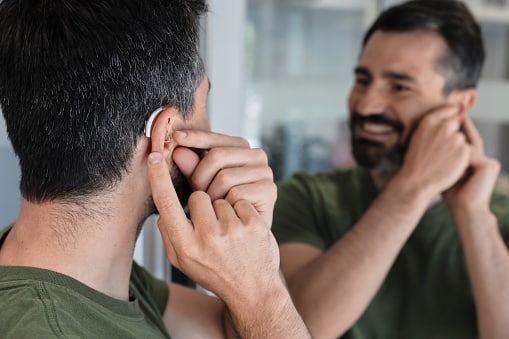
While we may not be able to cure inner ear hearing loss, we can use hearing aids to minimize its effect on your life. These tiny devices collect sound, amplify it and deliver it to your ears, improving your communication skills and helping you navigate the world.
Learning about hearing loss and sharing what you know with the people in your life is an excellent way to celebrate National Speech-Language-Hearing Month. For more information or to schedule your hearing tests, contact Today’s Hearing.
[1] National Institute on Deafness and Other Communication Disorders. (2024). Quick statistics about hearing. National Institutes of Health. https://www.nidcd.nih.gov/health/statistics/quick-statistics-hearing